Lincoln Road: Reclaiming the Liminal (2020)
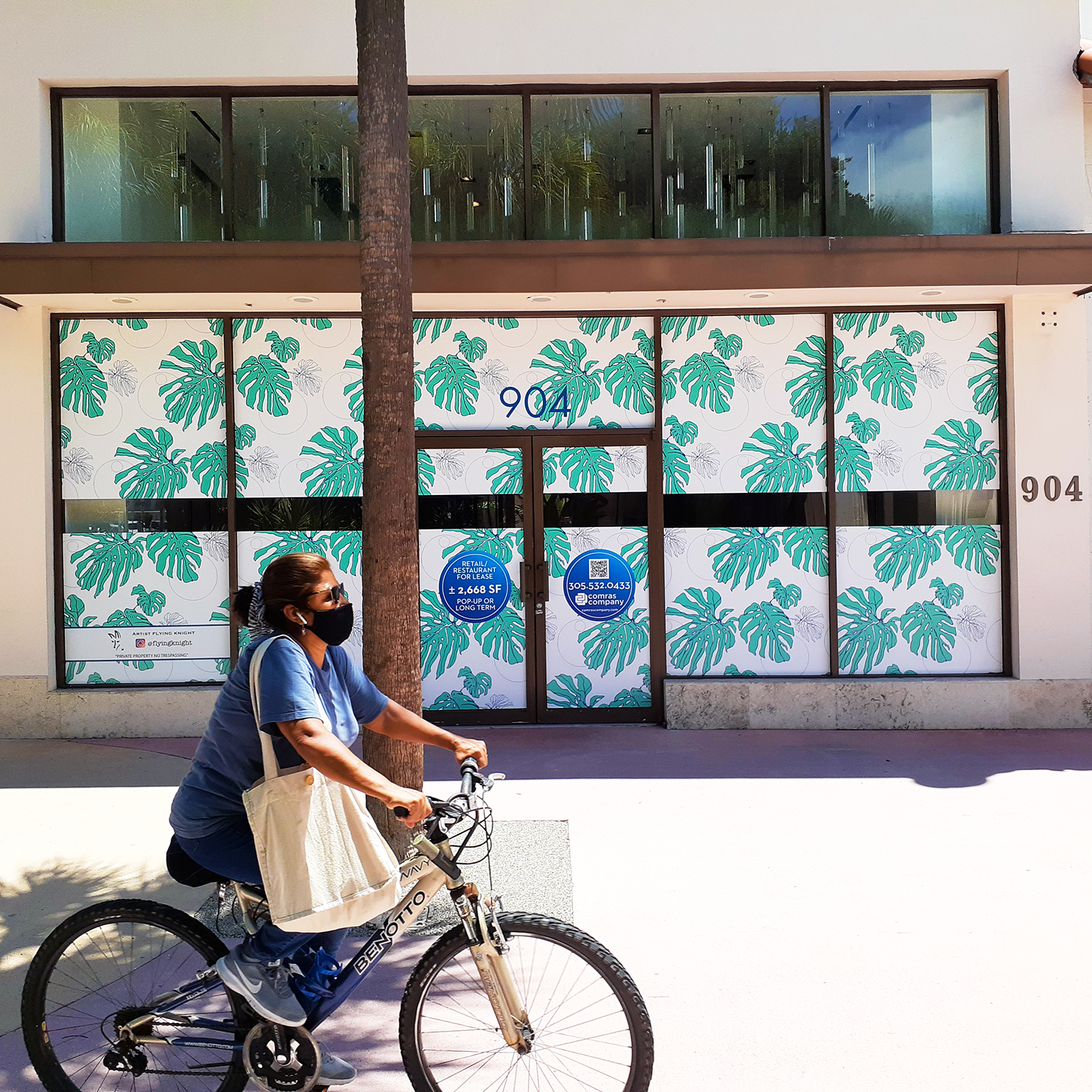
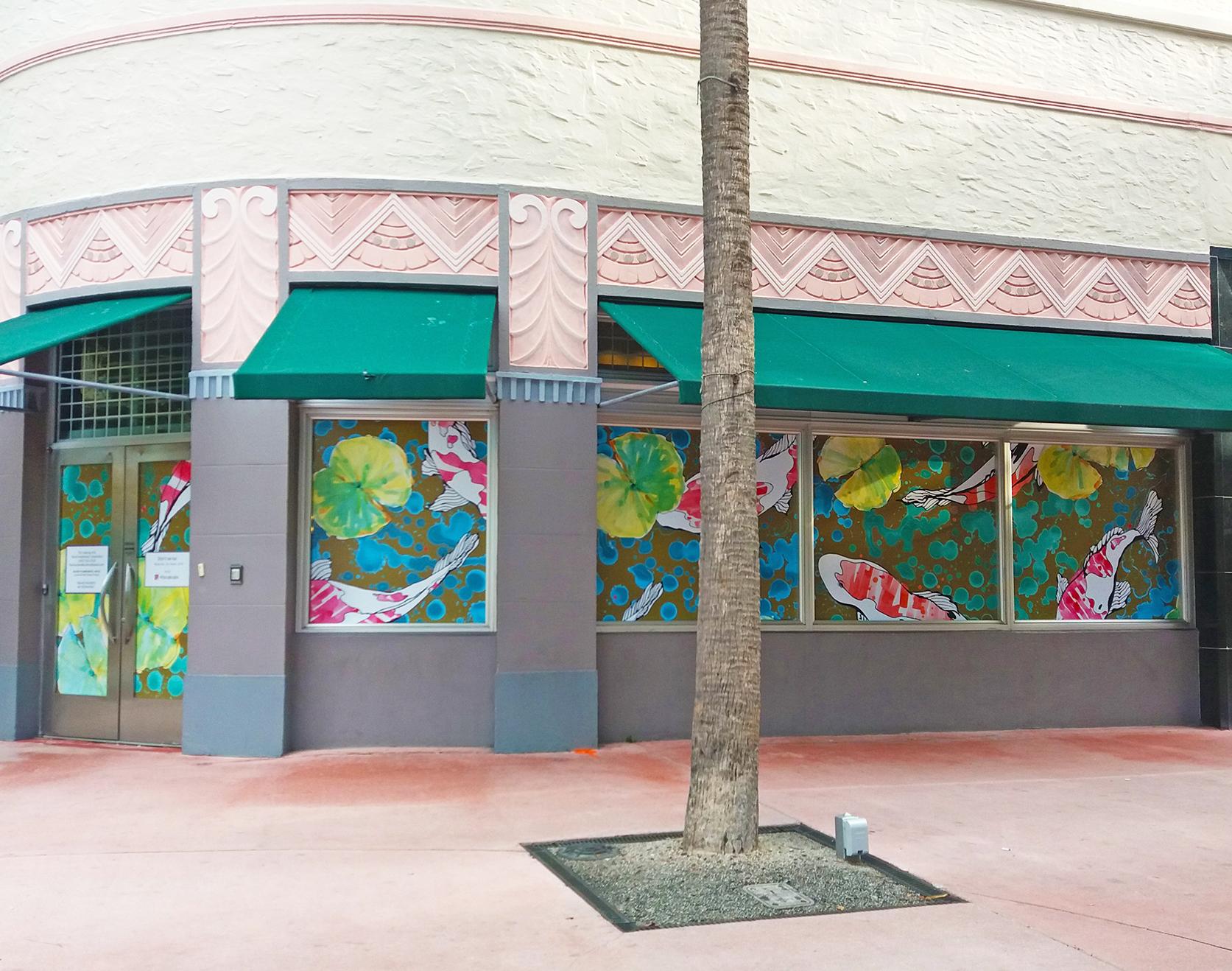
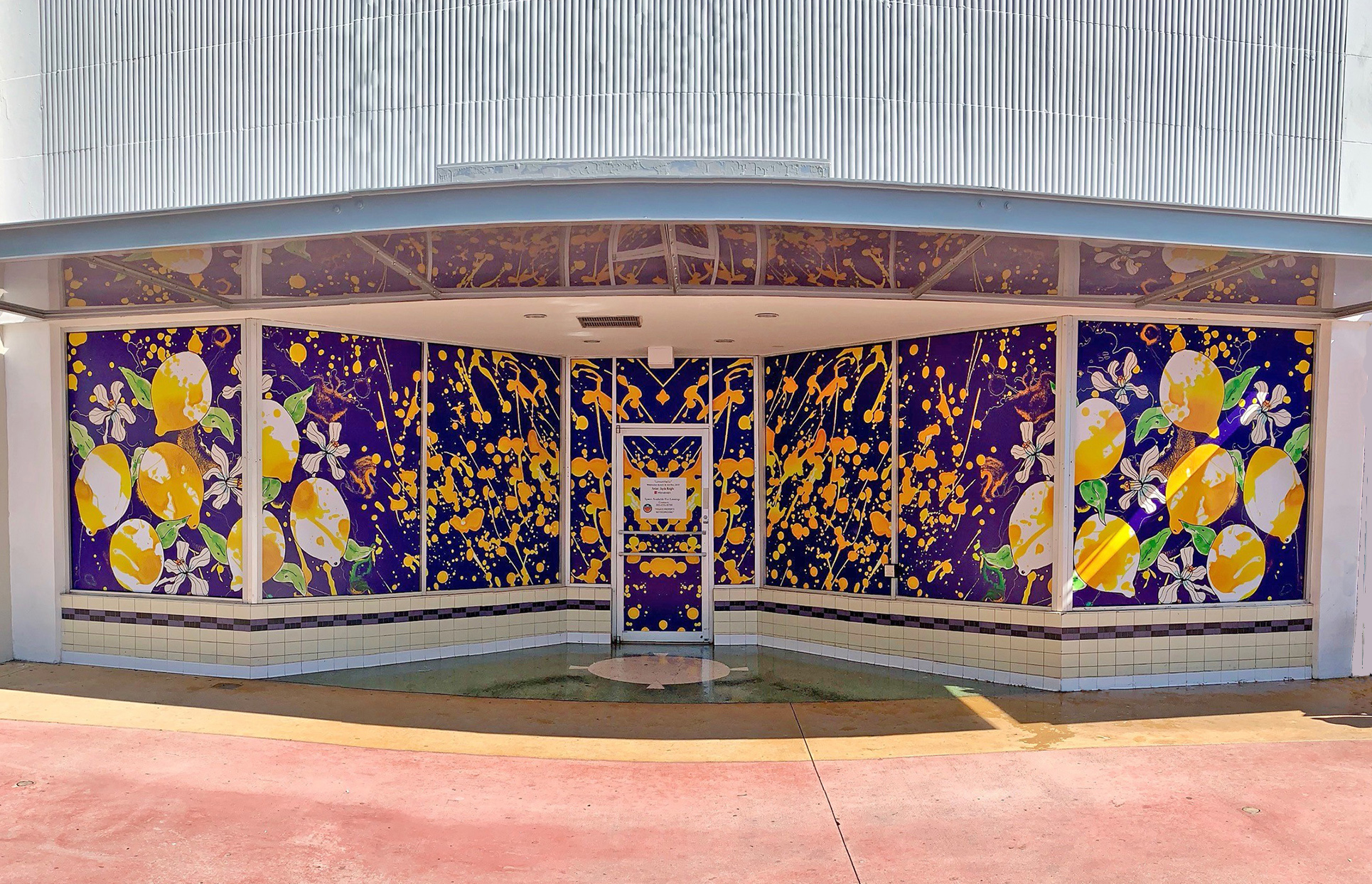
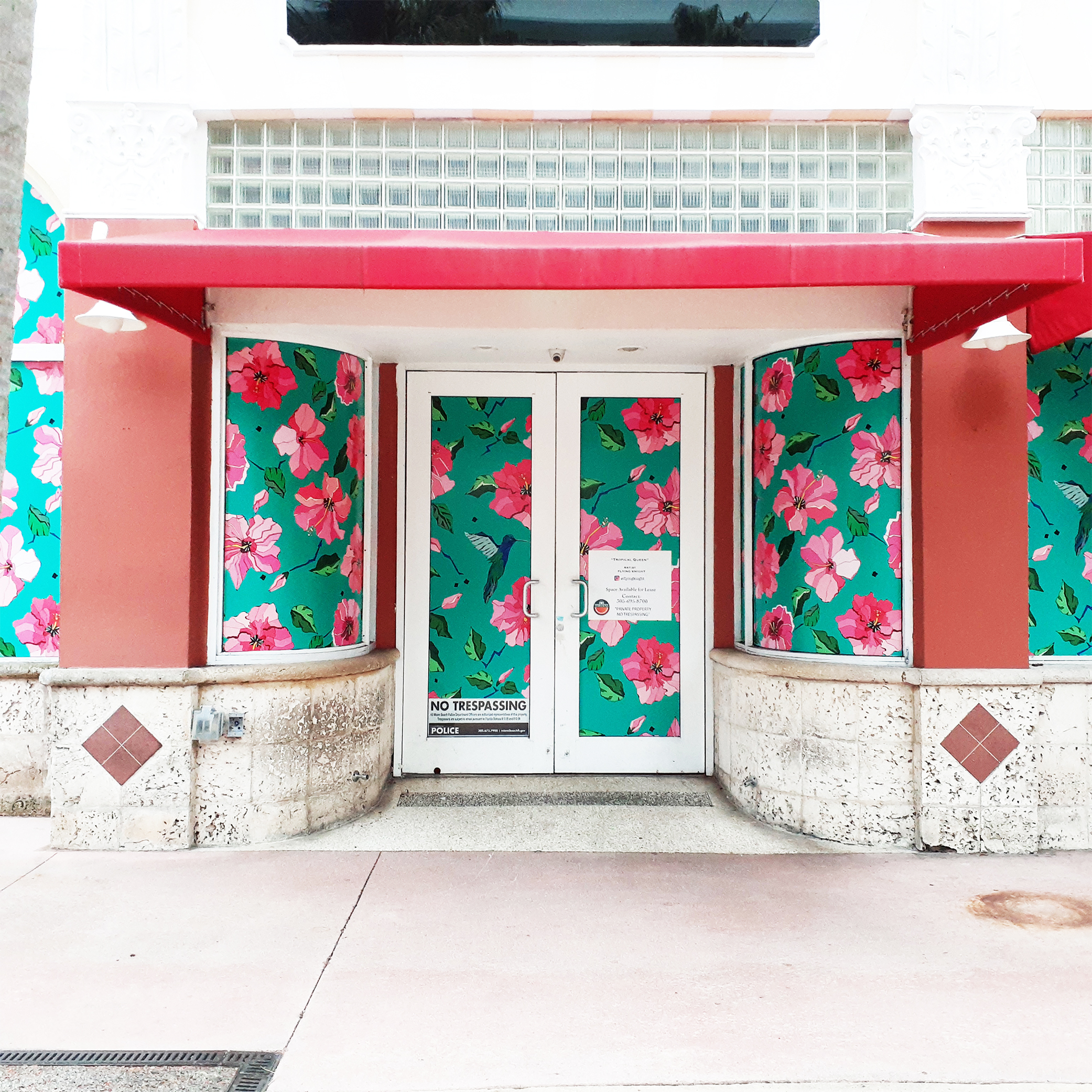
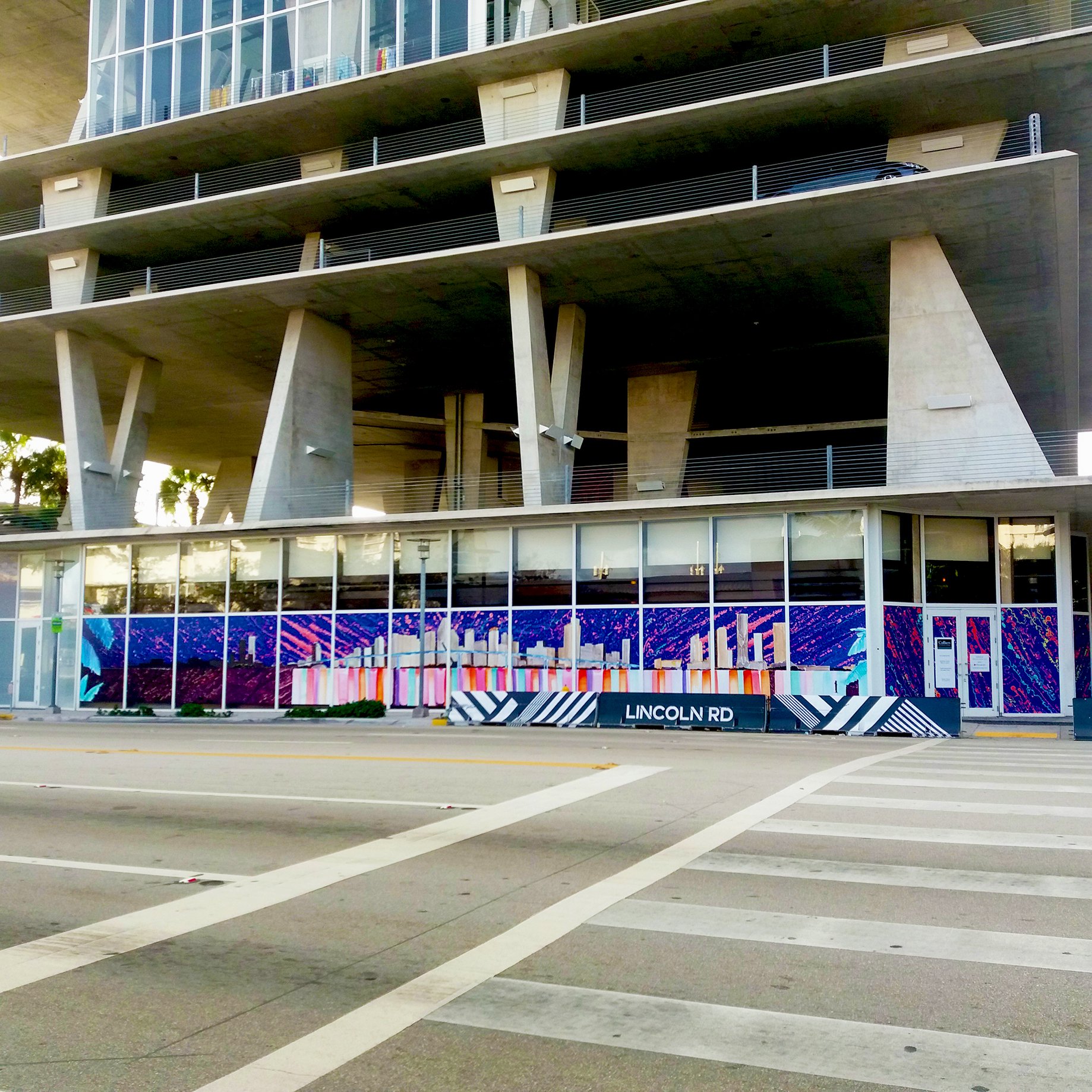
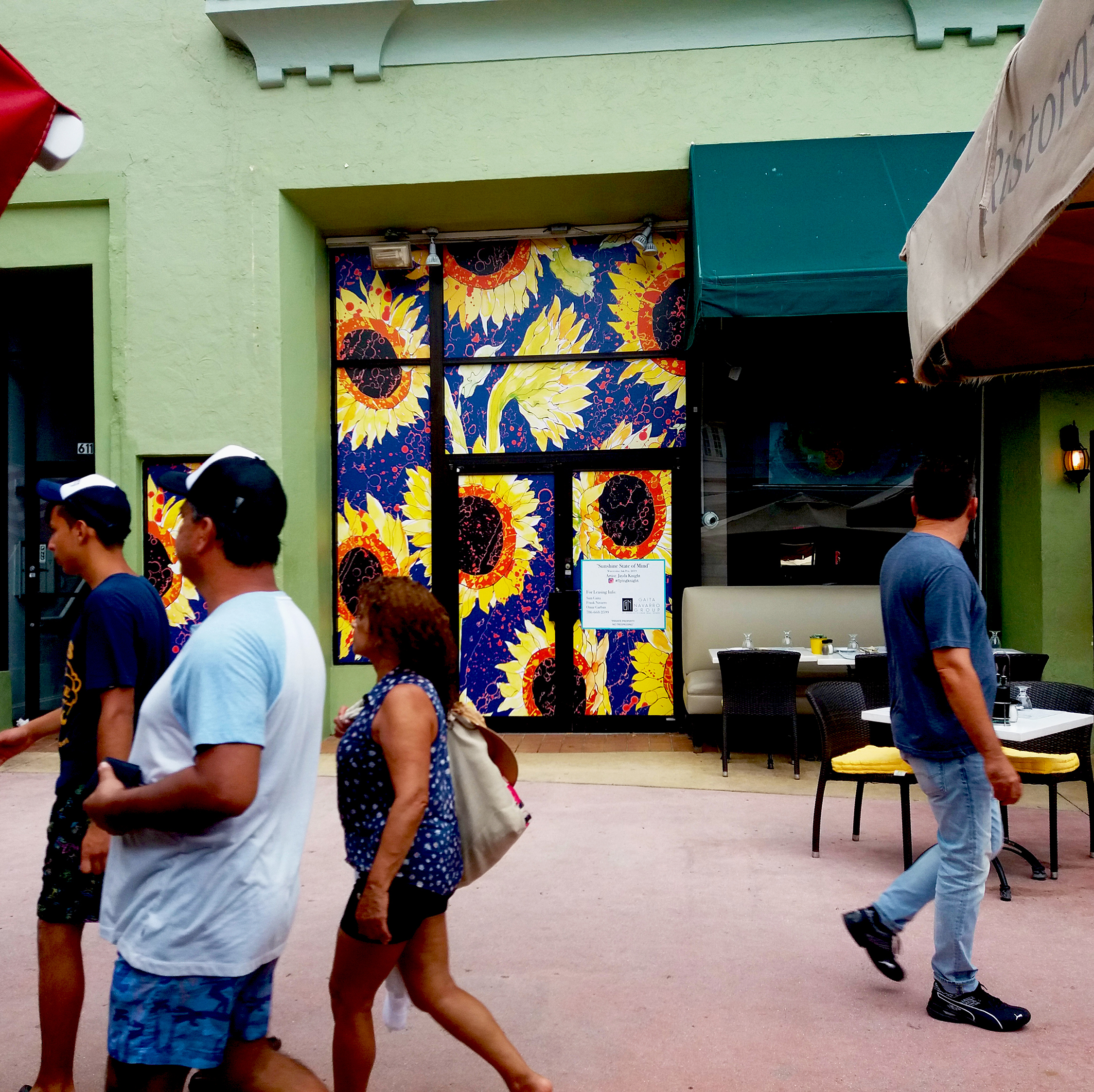
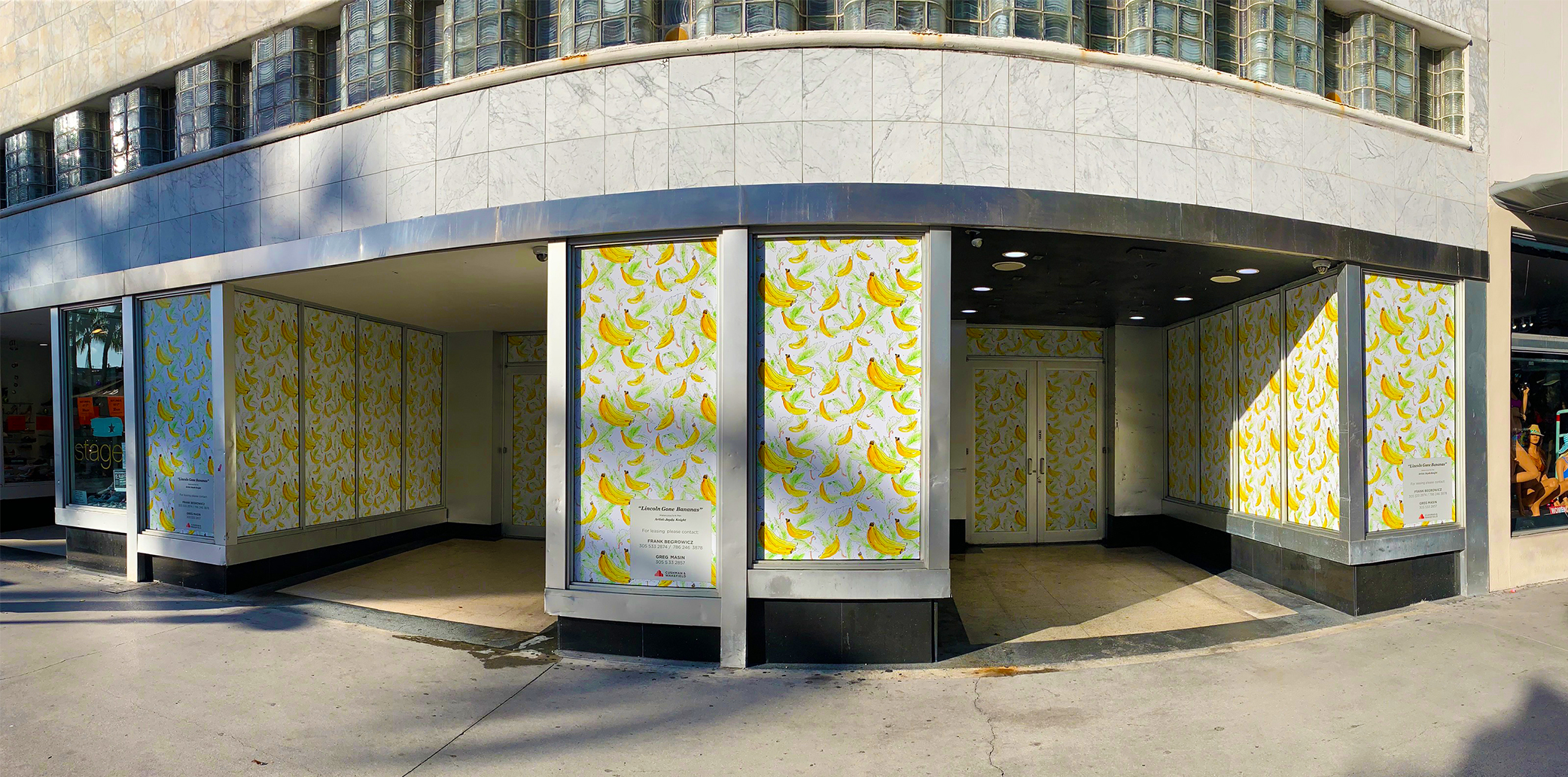
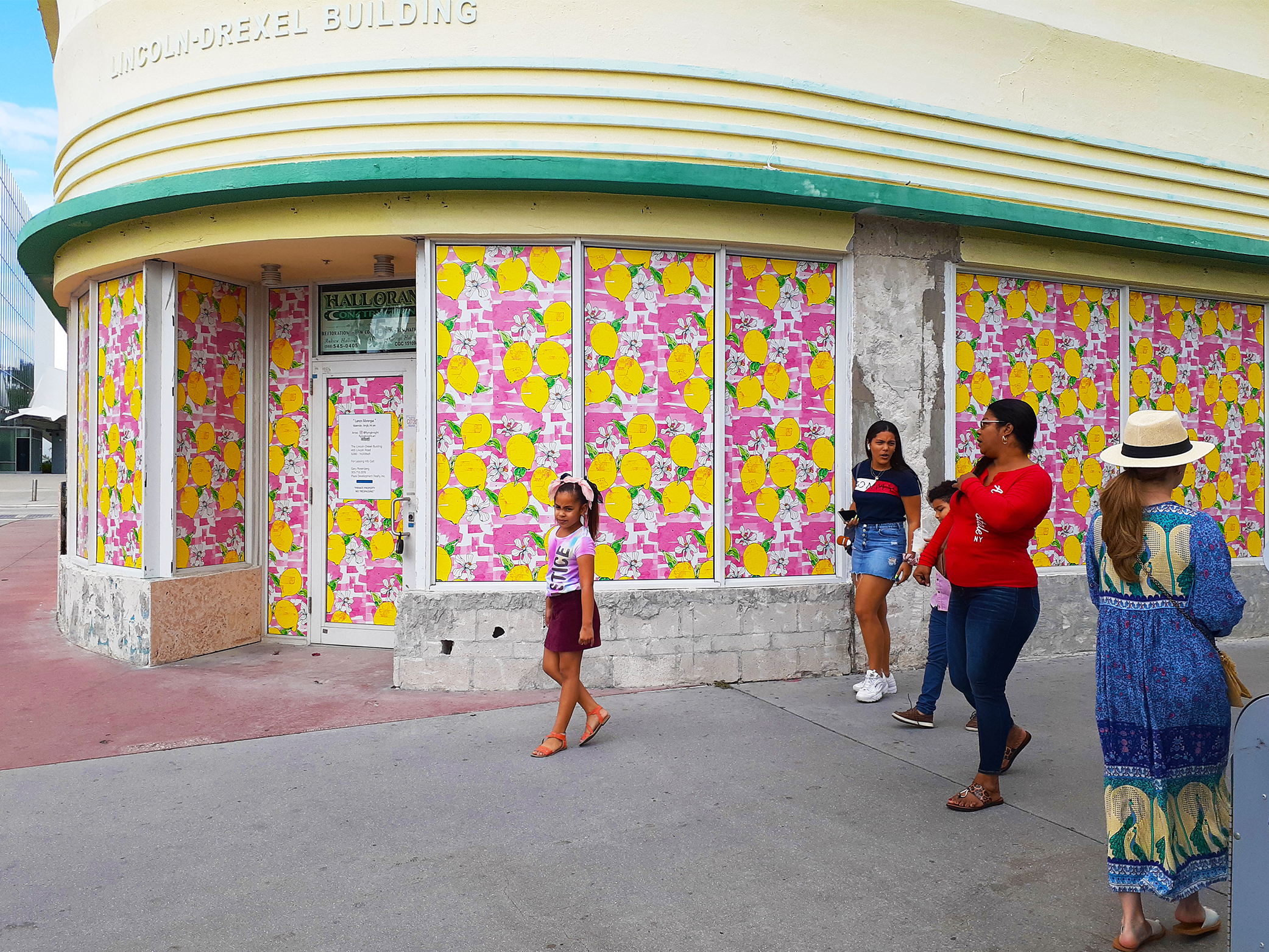
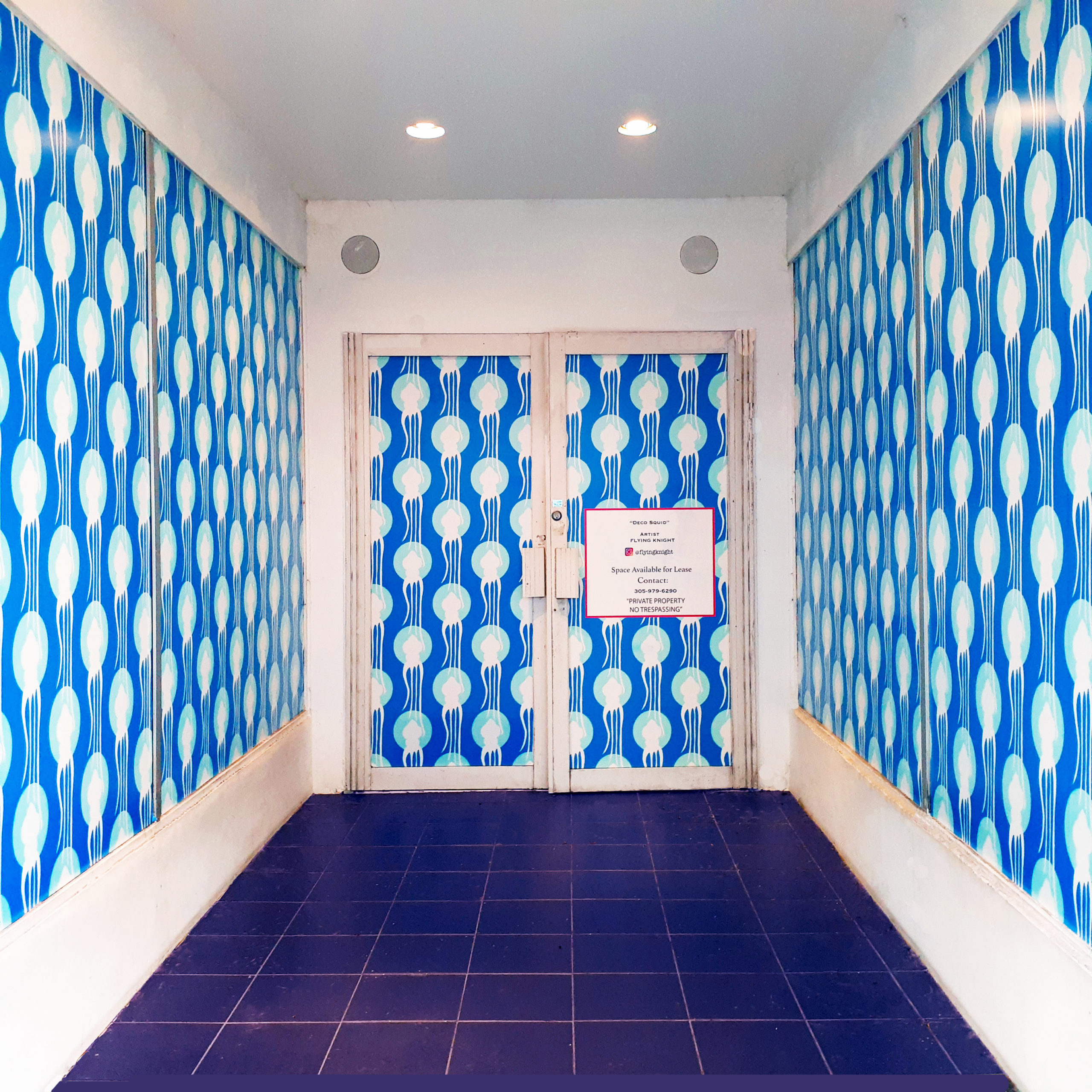
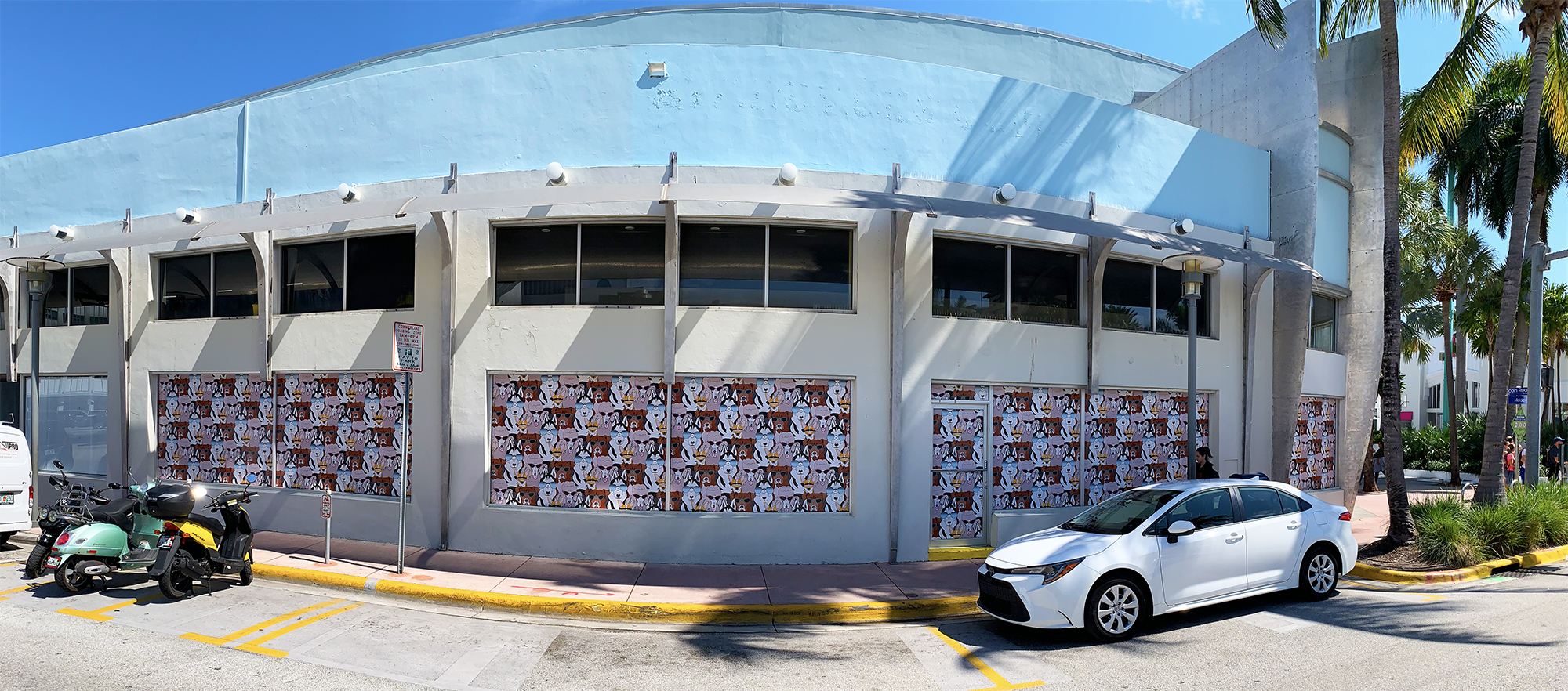
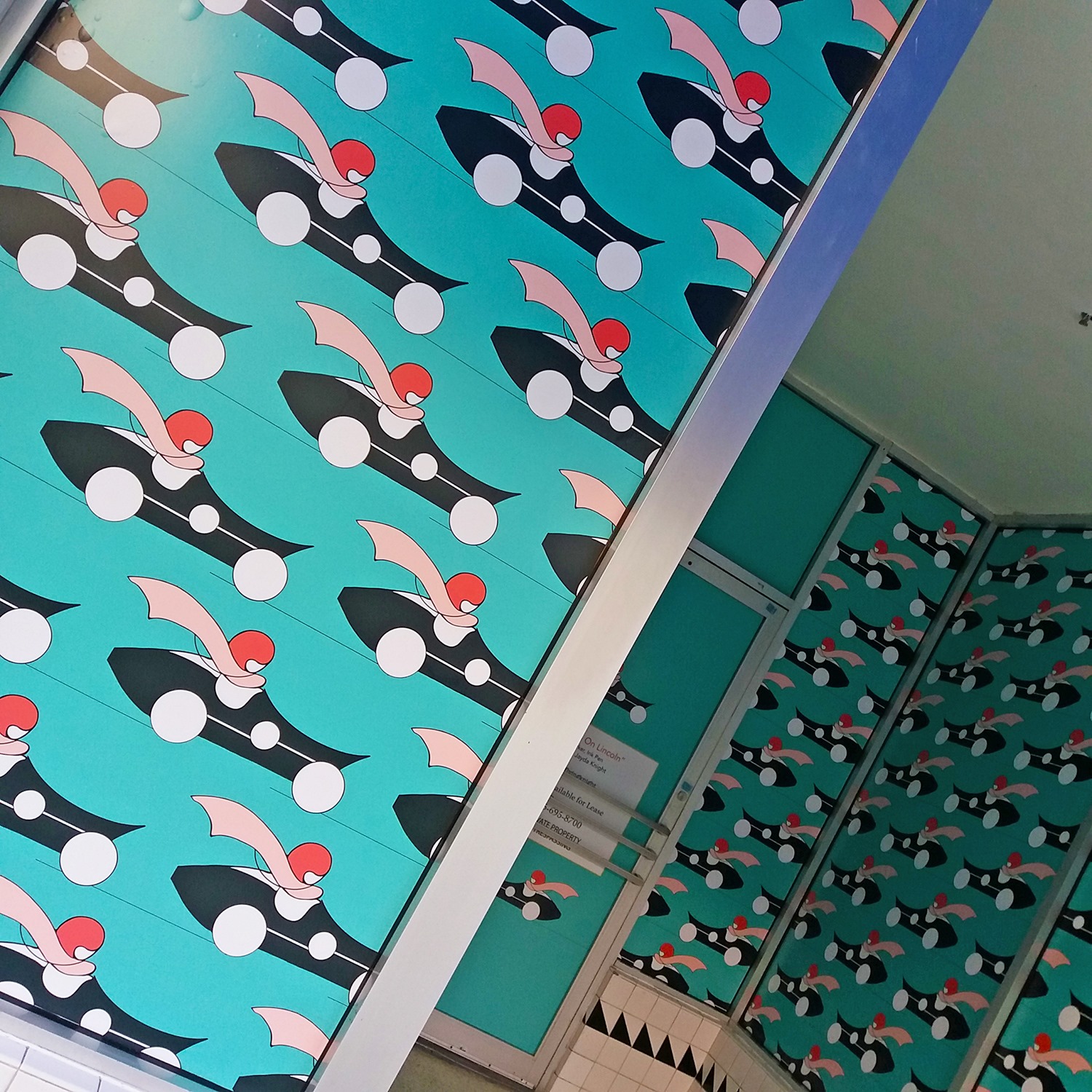
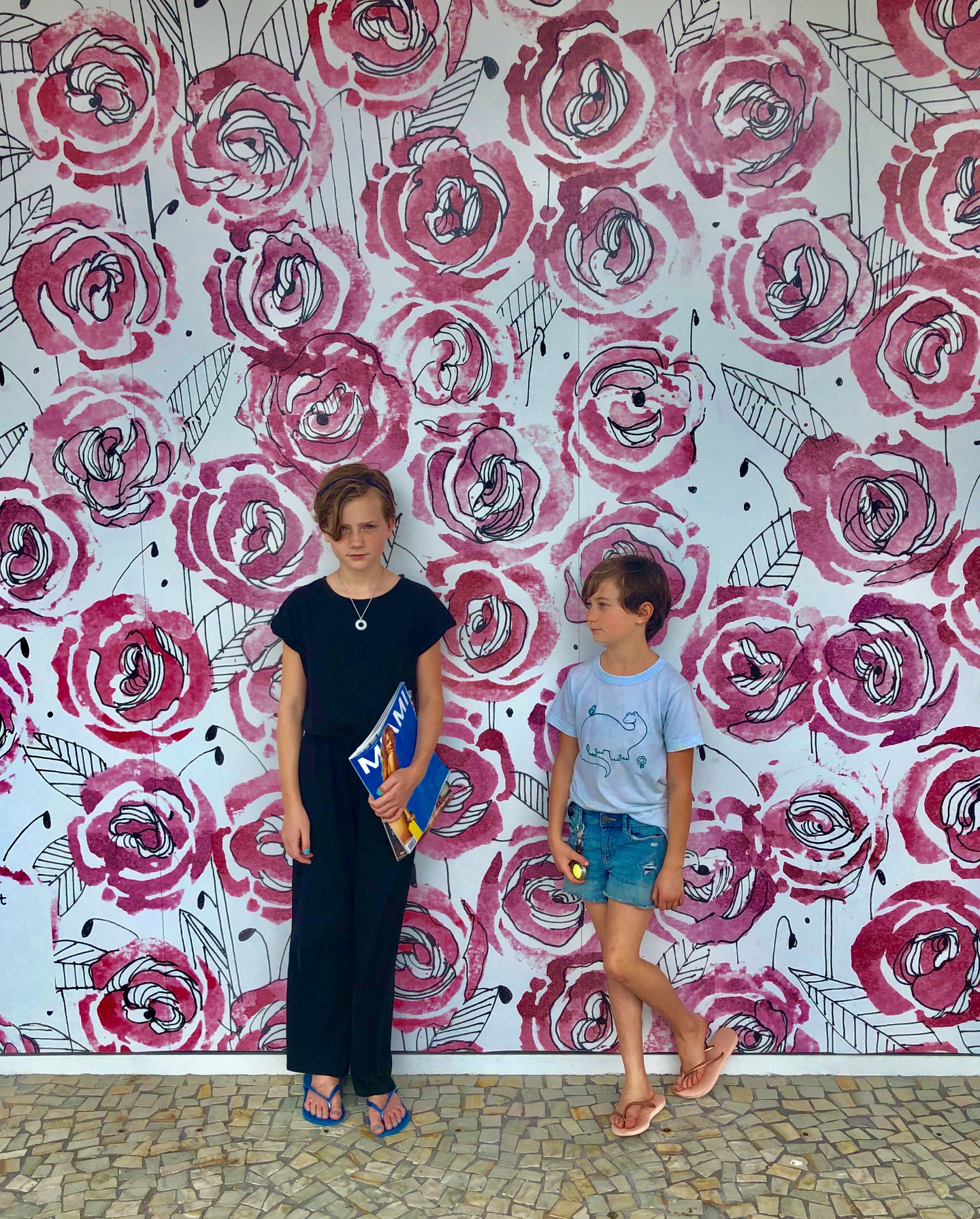
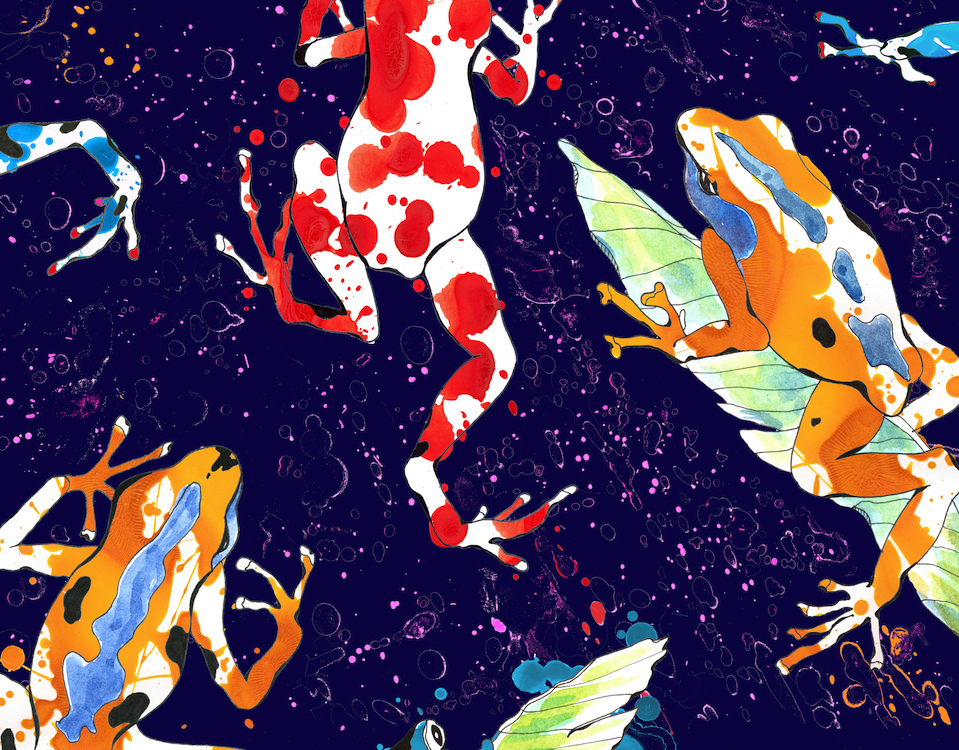
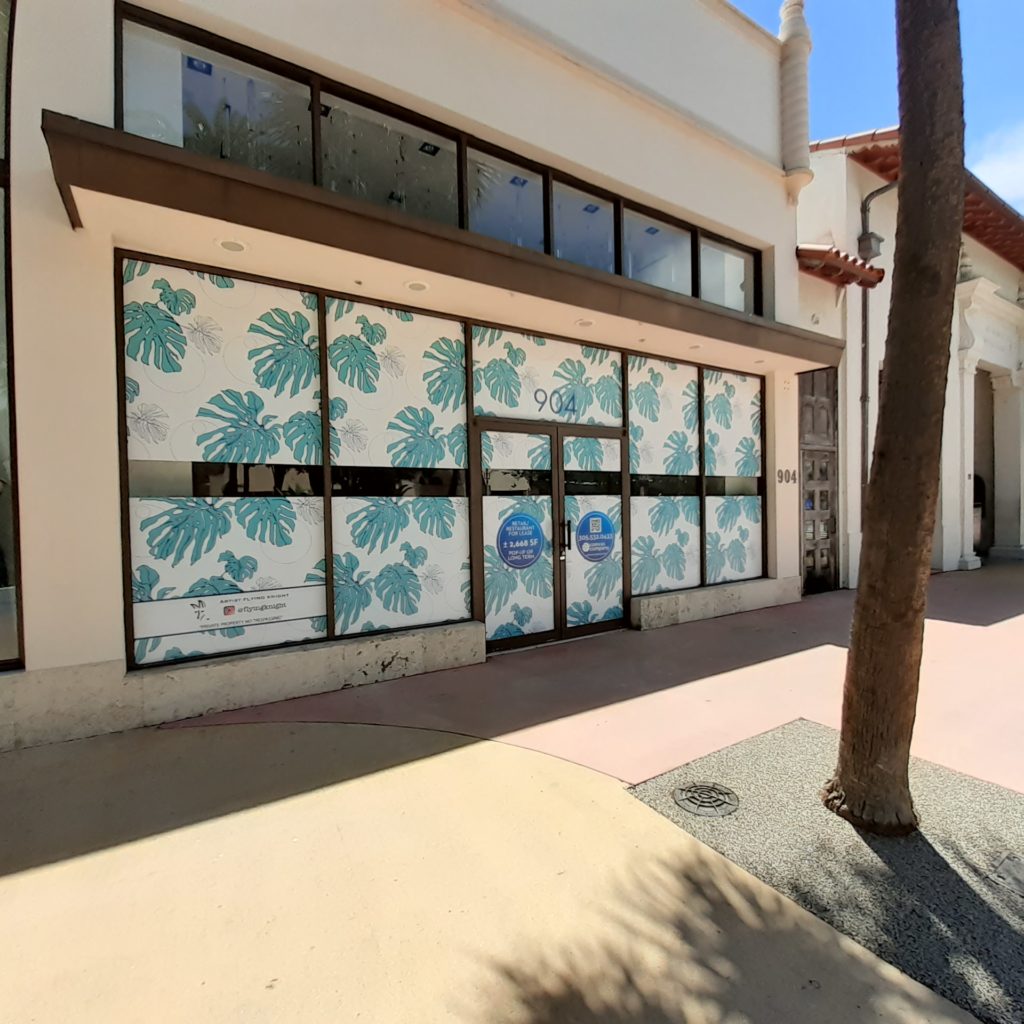
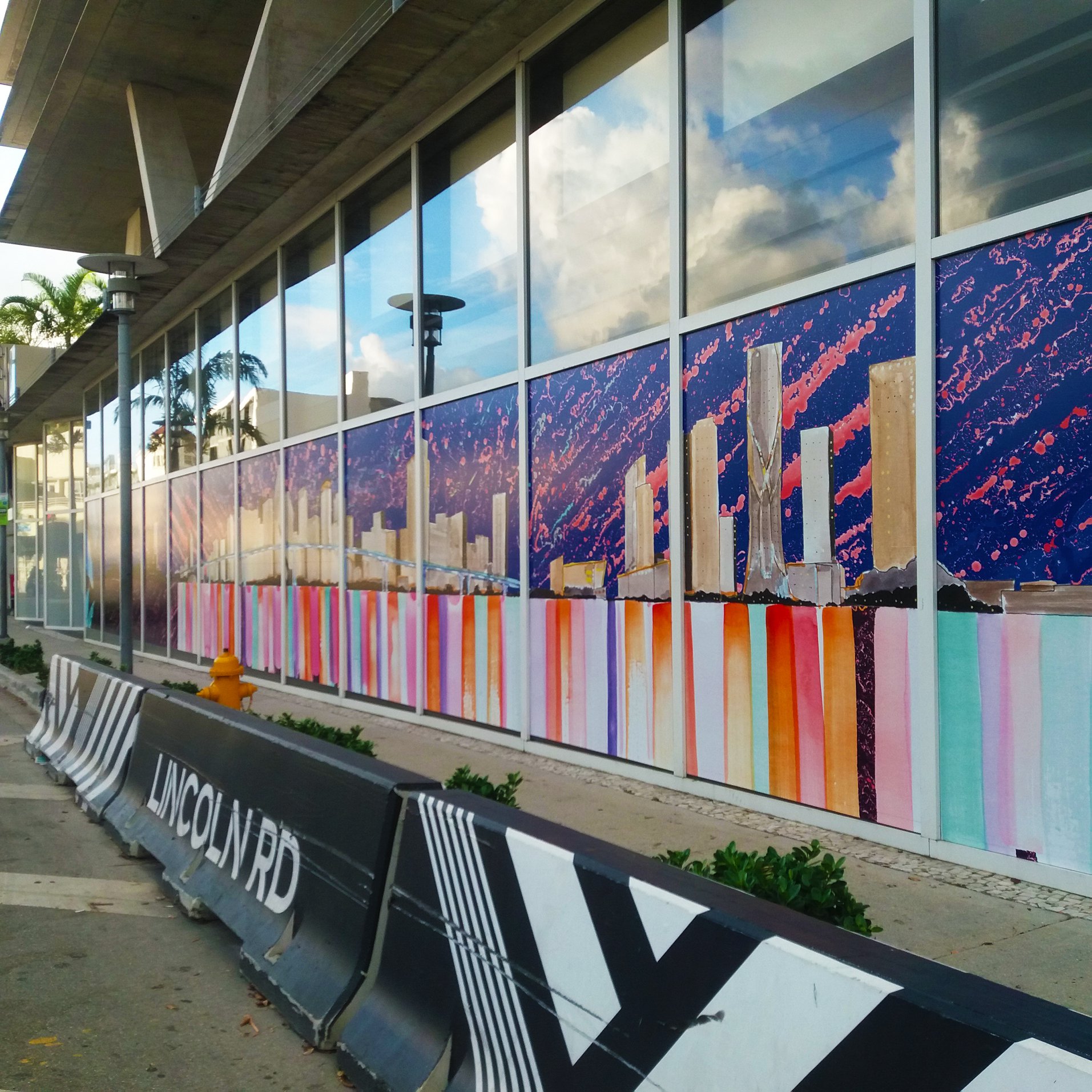
My 2020 Lincoln Road installations in Miami Beach served as a monumental site-specific intervention, where I reclaimed 24 vacant storefronts through unique installations.
By turning the liminal, empty spaces of the pandemic into platforms for visual storytelling, I set out to experiment how the “decorative” could serve as a powerful medium for documenting social history.
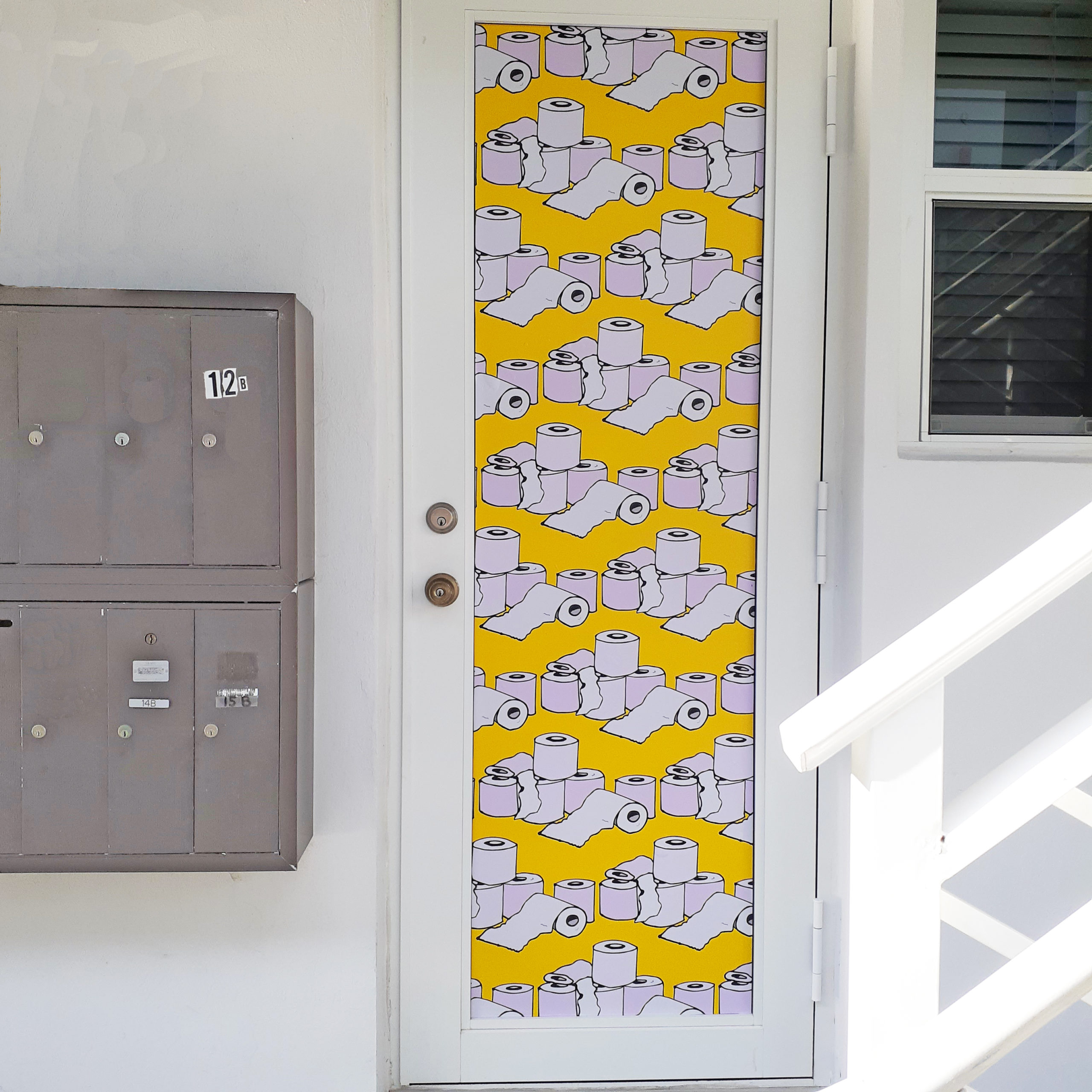
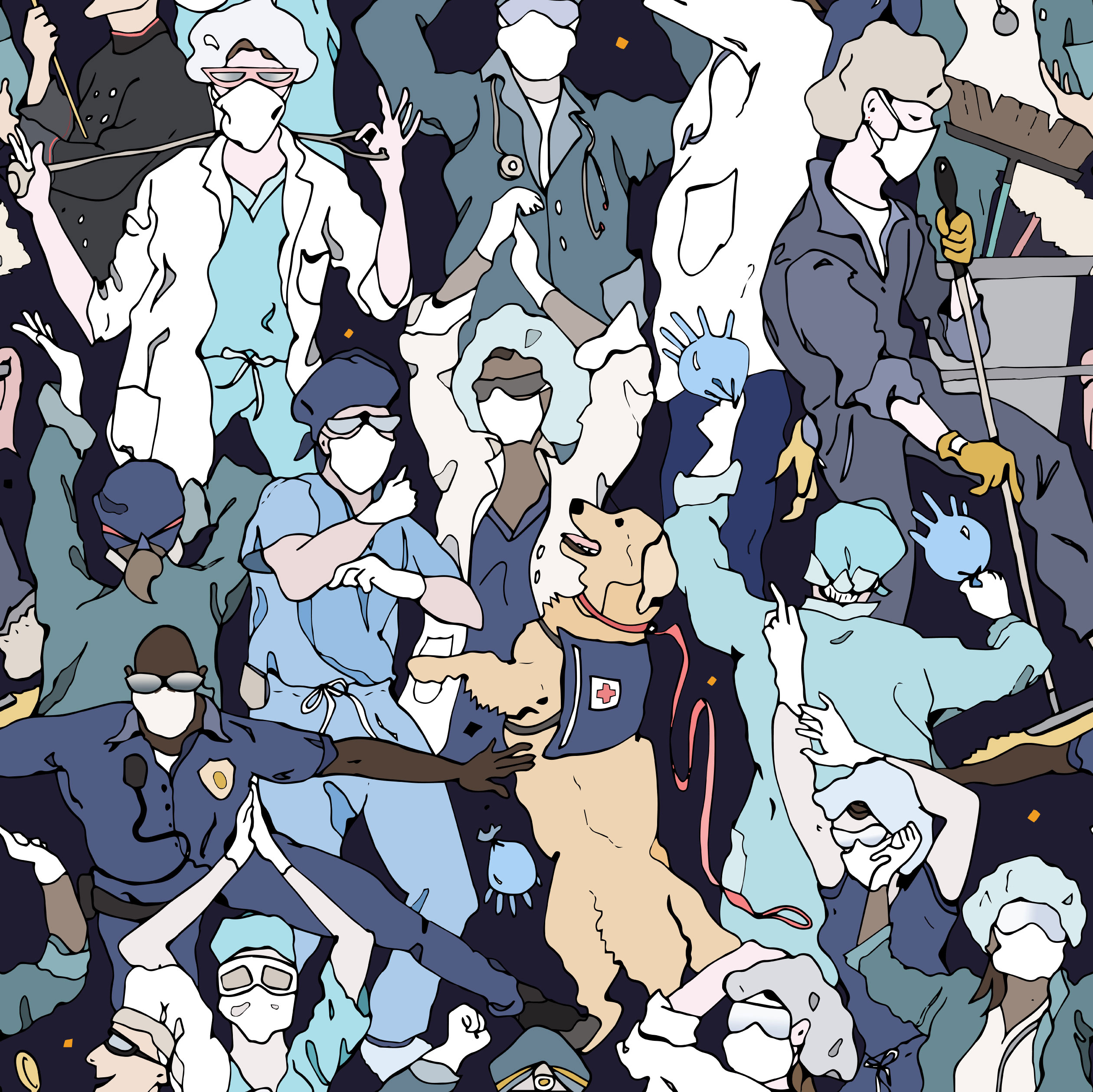
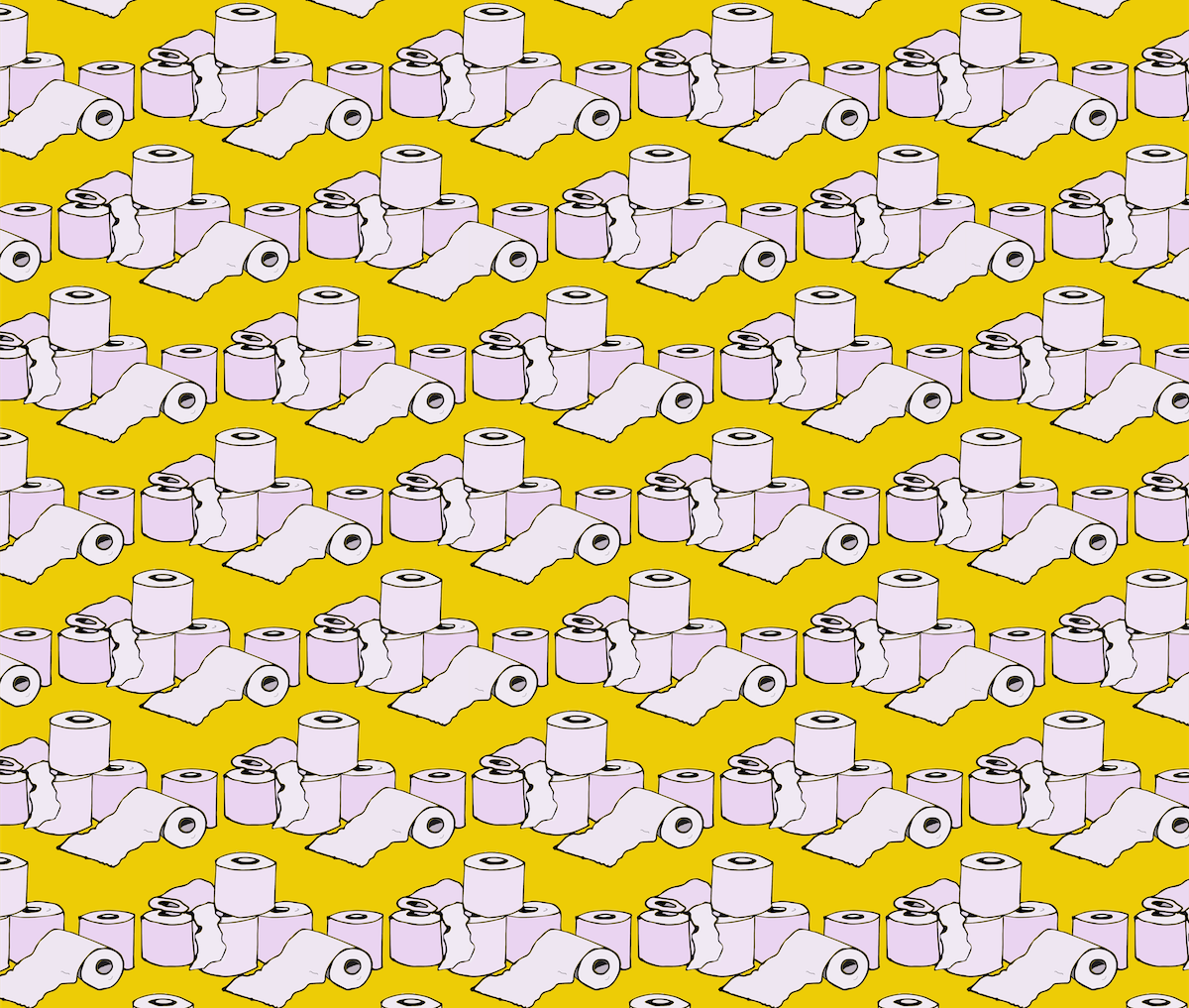
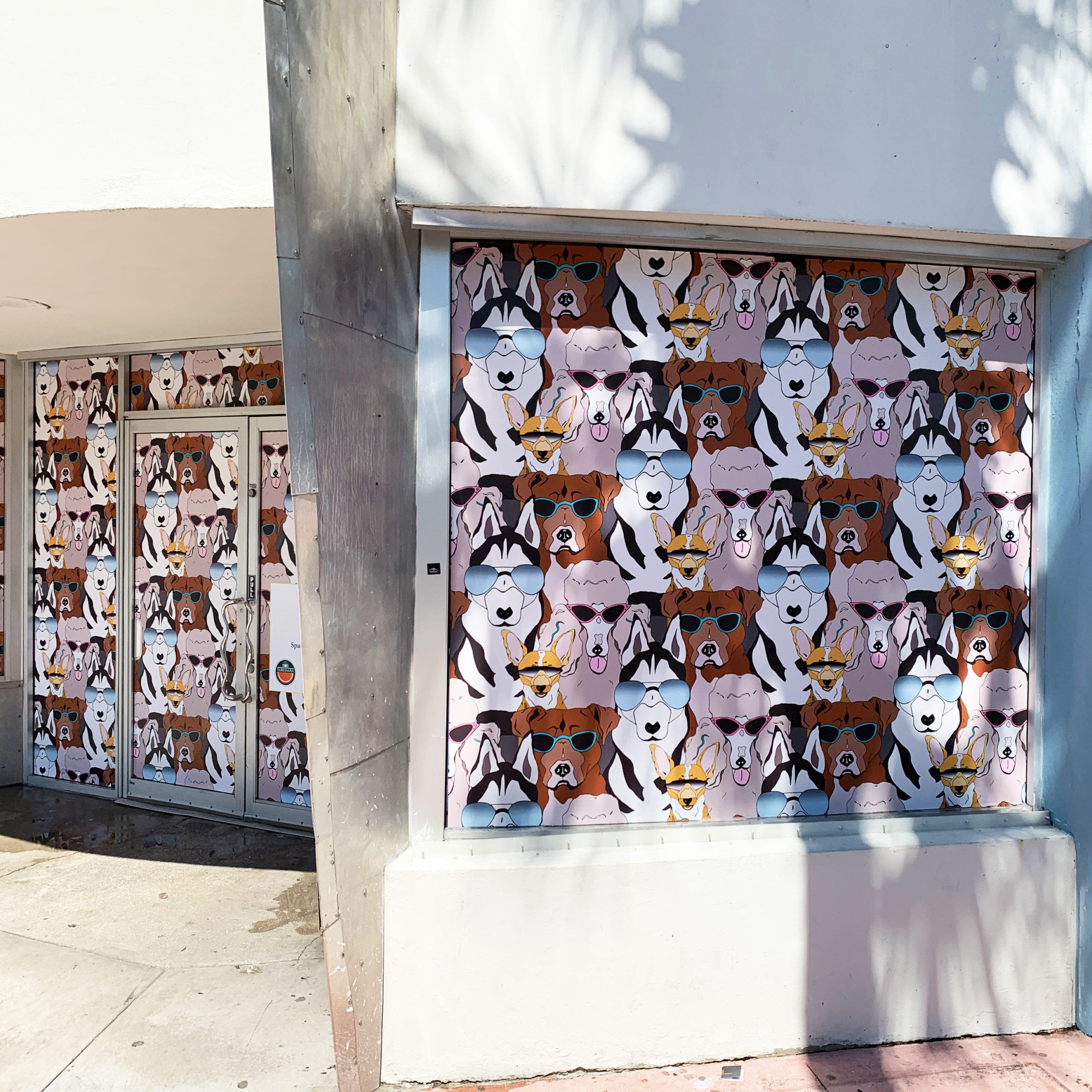
These rhythmic facades functioned as a public diary of the era; individual windows were dedicated to the “salty” quirks and heroes of lockdown—from a tribute to the resilience of frontline workers to a cheeky nod to the great toilet paper hoarding of 2020. Other windows captured the collective relief of the “re-opening,” depicting the simple, newfound joy of first haircuts and dog groomings after months of isolation.
A conceptual anchor of the project was Monocle Man; a black-and-white repeating motif, it became a defining image of the period and utilized by several media agencies to illustrate the pandemic’s psychological landscape (of course I was never credited..). However, I feel in a way it proved what I set out to do and despite its graphic simplicity, the repetitive imagery was a powerful engaging critique of the “unblinking eye” that defined 2020. In a world of masks, six-foot boundaries, and stay-at-home mandates, Monocle Man represented a society where everyone was suddenly—and perpetually—under watch; one that all of us could relate to.
The Lincoln road windows highlighted my fascination and ability to utilize the storefront as a tool for civic engagement. By wrapping these “dead” spaces in high-concept patterns that reflected our shared reality, I transformed a deserted promenade into an immersive, open-air record of resilience. It was a reminder that even when the doors were locked, I was able to open the boundary between the public sidewalk and the private interior and that the decorative arts can hold a mirror up to the moment.